
Accessibility Assessments
Structured assessments designed to help organisations creating and delivering learning content understand accessibility, benchmark maturity, and prioritise practical next steps.













The eLa1000 Accessibility Assessment
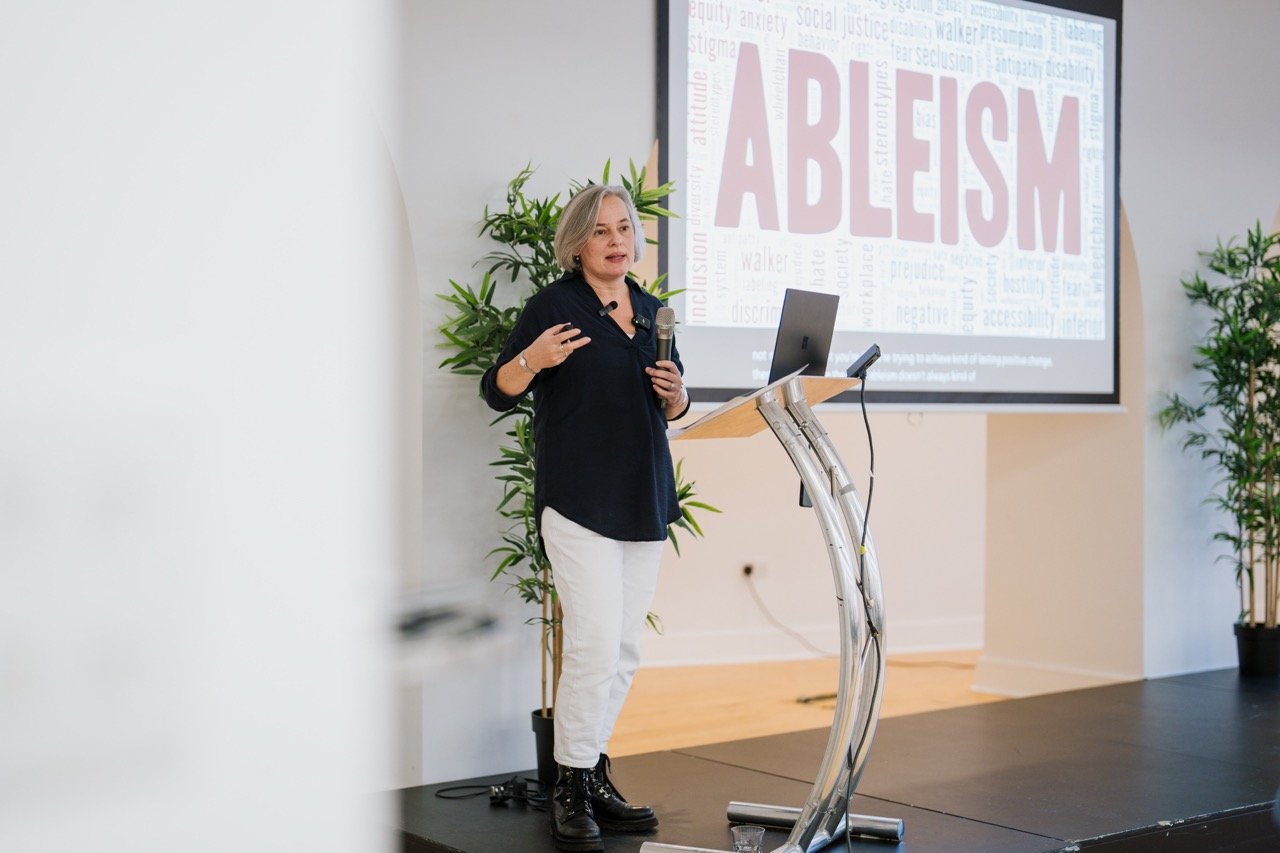
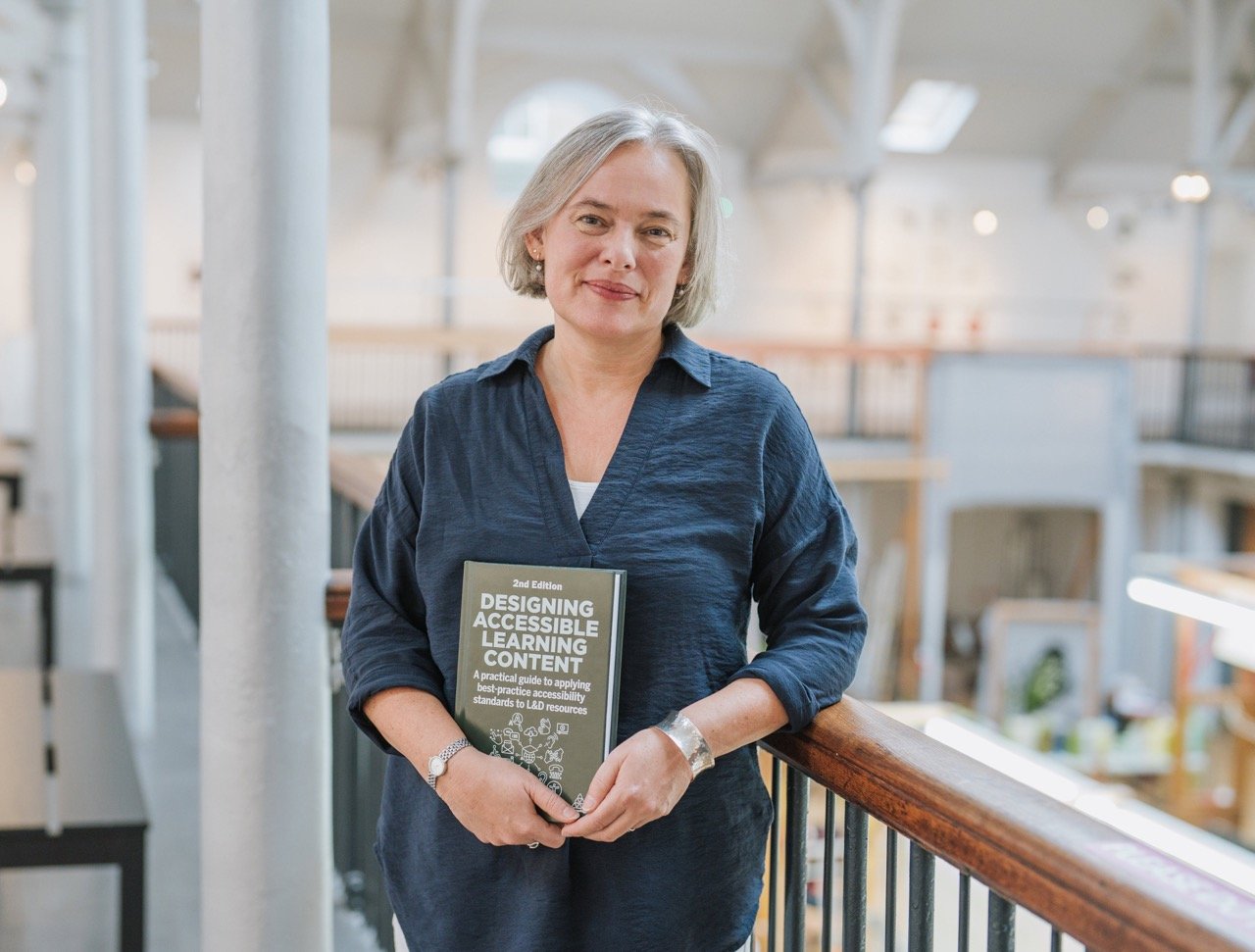
Welcome to the eLa1000 Accessibility Assessment project, led by Susi Miller – industry-leading eLearning accessibility expert, LPI Learning Professional of the Year 2025, and author of Designing Accessible Learning Content.
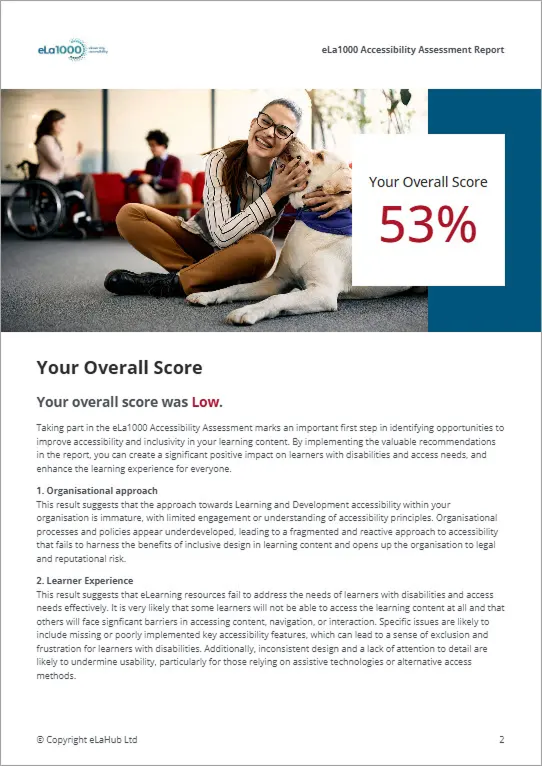
Taking part is straightforward. Set aside around 10–15 minutes to answer 60 targeted questions focused on learning content, learner experience, and organisational approach. In return, you’ll receive a customised eLa1000 Accessibility Assessment Report — a free, detailed assessment with tailored feedback, practical guidance, and useful resources to support improvements in accessibility, inclusivity, and strategic maturity.
This ground-breaking initiative is designed to support 1,000 organisations to evaluate and improve the accessibility of their learning content, while helping to benchmark accessibility across the Learning and Development industry. By taking part, you contribute to gathering vital evidence that helps identify systemic issues and drive meaningful, measurable change across the sector.

Why this assessment is unique
Unlike many assessments that oversimplify accessibility into a handful of tips, eLa1000 is designed to give organisations a meaningful benchmark. The questions are focused entirely on learning content, learner experience, and the real factors that improve accessibility and usability for everyone.
Evidence-based
Built on insights from hundreds of hours of eLaHub audits. Focused on the issues that most often undermine learning content accessibility.
Aligned with international standards
Grounded in WCAG 2.2 (Level A and AA), the international standard increasingly used across sectors and countries.
Designed for learning content
Focused on learning experiences, interactions, and authoring-tool realities — not a generic website checklist repurposed for L&D.
Goes beyond standards
Includes expert recommendations from real-world audit work, helping teams improve usability and inclusivity, not just pass requirements.
Covers diverse access needs
Addresses vision, hearing, motor, and cognitive access needs, including common barriers for neurodivergent learners.
Strategic, not just content-level
Looks at maturity, policies, and ways of working as well as content, helping organisations understand where they are and what to prioritise next.
Unlock your organisation’s eLa1000 accessibility insights
The eLa1000 Accessibility Assessment Report doesn’t just assess your current accessibility. It equips you with practical guidance, resources, and a clear benchmark you can use to drive meaningful improvement.
- An accurate benchmark: Assess your current maturity level and identify clear next steps.
- Targeted recommendations: Receive advice and resources tailored to your areas of weakness, including guidance aligned with WCAG 2.2.
- Enhanced engagement: Give teams a shared, motivating way to take ownership of accessibility improvements.
- Convenient access: Receive your report via email in an online format, with a shareable PDF version for key stakeholders.
eLa1000 assessment categories
You’ll be scored across six categories based on the eLa (eLearning accessibility) Framework. The framework was designed specifically for learning practitioners and underpins Susi Miller’s book Designing Accessible Learning Content and the accompanying Designing Accessible Learning Content Programme.
Resource design and tool settings
Ensure eLearning resources are accessible from the outset by designing with access needs in mind and using the accessibility functionality available within authoring tools.
Text, information, instructions, and images
Ensure written and visual content is clear, consistent, and accessible, enabling all learners to understand and engage regardless of access needs.
Interactive items and assessments
Ensure all learners can take part in activities and assessments, with equal opportunities to demonstrate learning and achieve successful outcomes.
Audio and video content
Ensure multimedia content is accessible and provides equivalent experiences for all learners, including appropriate alternatives such as captions, transcripts, and audio descriptions.
Moving content, keyboard, timing, and global considerations
Ensure learners are not distracted by unnecessary motion, that all functionality is usable via keyboard, and that time-based interactions do not disadvantage anyone.
Mobile, code, and strategy
Ensure learning content works across devices, is technically robust, and is supported by a clear accessibility strategy that drives consistent, long-term improvement.
Why accessible learning content matters
Accessible and inclusive learning content doesn’t just remove barriers. It improves the effectiveness, reach, and longevity of learning for everyone, helping organisations deliver learning that works across roles, contexts, and changing needs.
- Supports diverse needs and contexts: Accessible learning works across different abilities, environments, devices, and situations, making learning more usable and impactful for a broader audience.
- Reduces risk and supports compliance: Meeting global accessibility requirements helps organisations manage legal and reputational risk while embedding inclusive practice.
- Strengthens DEI commitments: Accessible learning content reinforces Diversity, Equity, and Inclusion values by ensuring all learners can participate fully.
- Encourages better learning design: Designing for accessibility often leads to clearer structure, stronger interaction, and more effective learning experiences.
- Future-proofs learning investment: Accessible content adapts more easily to evolving learner needs, technologies, and delivery models.
Our sustainability commitment
eLaHub is committed to reducing environmental impact alongside improving access to learning. For every purchase of the DALC Programme, a tree is planted to support global reforestation efforts.
We partner with Ecologi to offset carbon emissions, including those generated through digital services and AI technologies. Since 2024, this commitment has helped fund over 120 trees, supporting long-term environmental impact alongside inclusive learning.
Trusted by organisations committed to inclusive learning
We work with organisations across the public, private, and charity sectors to improve the accessibility and effectiveness of their learning content.

Cammy Bean
Account Director
From the outset, we were extremely impressed by eLaHub’s passion, process and product. Their audits weren’t a checkbox exercise. They understood our tools and constraints, worked collaboratively with us, and helped ensure accessibility enhanced the learning experience without stripping out interactivity or content.
Mintools Kineo

Colin Paton
Learning Experience Design Manager
Really excellent accessibility training! It was engaging, interesting and relevant. We really appreciated the perspective of a fellow designer/developer which made it super practical. These sessions will now allow us to lay the foundations for company-wide and systematic action in this area.
FARFETCH

Bouquette Kabatepe
Digital Accessibility Officer
The bespoke workshop on accessible and inclusive learning and neurodivergence was thoughtful, practical and highly relevant to our work at Imperial. Susi linked accessibility clearly to our values, helping colleagues understand how inclusive learning supports equity, excellence and a more effective learning experience for everyone.
Imperial Colllege London
Shradha Tangadpalliwar
Senior Accessibility and Usability Consultant
It was a privilege to be trained by eLaHub. Susi’s knowledge of making eLearning content and products accessible is incredible. We appreciated her training delivery skills, enormous dedication to the work and invaluable feedback.
AbilityNet

John Power
Senior Transformation Consultant
eLaHub’s Digital Accessibility Awareness Raising webinar is essential training for anyone creating digital content today. Susi delivered a thoughtful, practical and inspiring session on making content more inclusive. We left with clear insight, actionable steps and the confidence to create more inclusive learning experiences across our programmes.
Media Zoo

Miranda Welch
Co-President NZATD
eLaHub delivered a hugely valuable session that was insightful, energising and full of practical guidance on creating accessible and inclusive learning. Susi made a powerful case for accessibility, while giving our members the confidence and tools to start making meaningful change. <br />
New Zealand Association for Training and Development
Frequently asked questions
These are some of the questions we’re asked most often. If you’d like to talk anything through, just get in touch.
this is a test answer
Explore More Services
A range of services to support organisations creating learning content, from structured assessments to auditing, testing, and targeted consultancy.
Testing & Auditing
Manual auditing and practical testing of learning content using standards led approaches and assistive technology. Designed to identify barriers, document issues clearly, and support remediation planning.

Consultancy and Coaching
Understanding WCAG requirements as they apply to learning content. Focuses on what teams need to know and how standards translate into practice.

Speaking and Advocacy
Talks, keynotes, and sessions designed to support organisations building understanding of accessibility and inclusive learning. Available for events, internal programmes, and learning communities.
Training & Programmes
Courses and programmes designed to build practical capability in accessible learning content, from foundational awareness through to in-depth training.