
In this post I share how the story behind the name eLaHub continues to influence our work and shape our purpose.
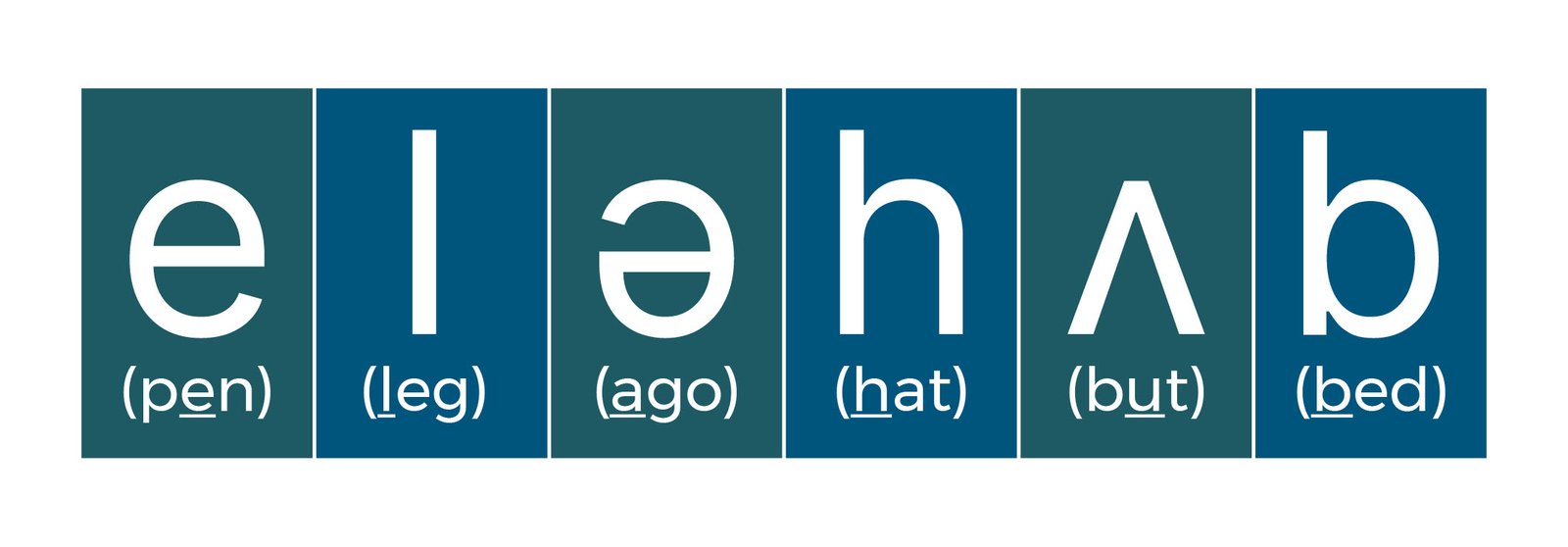
When I first started my business and came up with the name eLaHub, I thought it worked perfectly as eLa stood for eLearning accessibility. However, it also had a much more personal meaning. The way I pronounced it, “Ella Hub”, was inspired by my two neurodivergent daughters, Isa’belle’ and Frey’a’.
What I hadn’t considered was that other people would have no idea how I wanted them to pronounce it.
From branding mistake to origin story
When people started asking me how to say eLaHub, I felt their confusion was evidence that I’d got the name wrong. Rather than proudly explaining where the name came from, I was reluctant to tell the story behind it.
Since setting up the business, there have been plenty of times when I’ve questioned the decisions I’ve made. At the time, choosing the name eLaHub, just felt like another one to add to a very long list.
So, for a long time when people asked me how to pronounce it, I’d often say that it didn’t really matter. I didn’t explain the story behind the name, because I thought the story simply highlighted that I’d got something wrong.
Over time, that changed completely.
Understanding my own neurodivergence
When I founded eLaHub, I didn’t know that I was dyslexic. At school, I was once described as ‘a plodder’ and that name stuck, with me, my family and my teachers. I worked really hard, but learning seemed to take me longer and to be far more difficult than it was other people. Over time that undermined my confidence and affected how I thought about my own ability. University felt much the same. I got through it, but I often felt as though I was struggling to stay afloat and working twice as hard as everyone else without understanding why.
It was only much later in life that I was diagnosed with dyslexia. I also recognise significant ADHD traits in myself, although I don’t have an ADHD diagnosis. Understanding my dyslexia helped me reinterpret many of those earlier experiences and recognise that the difficulty hadn’t been a lack of ambition or willingness to work. I’d been trying to learn and work in environments that weren’t designed to include the way I read, write, organise information, manage working memory or process instructions and ideas. The extra effort involved in keeping up, remembering information and demonstrating what I knew had gradually affected both my confidence and my perception of my own ability.
That understanding inevitably influences what we do at eLaHub today. Through our training auditing and consultancy work, we see again and again how learning that works well for one person can create unnecessary barriers for someone who processes, navigates or interacts with information differently.
And then there are Isabelle and Freya
The other half of the story belongs to my daughters. One is dyslexic and one has ADHD. Both have now graduated from leading universities and are finding their way in a particularly challenging graduate job market.
Their experiences have been very different from mine. They’ve had access to assistive technology, specialist support and a much greater understanding of neurodivergence than existed when I was studying. They also understand their own access needs in a way I never did at their age.
I know that level of support still isn’t the reality for every neurodivergent young person, and I’m very aware of the privilege that enabled us to access support when they needed it. But seeing what my daughters have achieved has reinforced something I believe in very strongly.
When people have the support, tools and accessible environments they need, we should never underestimate what they can achieve.
That principle has become increasingly important to the work we do at eLaHub.
Accessibility as the default
One of the principles at the heart of eLaHub is that accessibility should be built into learning from the start. People shouldn’t have to prove they have a disability before they can use helpful accessibility features, explain why they process information differently, or wait until a barrier has already prevented them from participating before something changes.
Our Designing Accessible Learning Content Programme is one example of what this looks like in practice. Accessibility features and choices are built into the programme and available to everyone. Nobody has to declare a disability or access need before they can use them.
It’s also why accessibility as the default is such an important principle in the learning we design for others. Our Accessible and inclusive eLearning – eLaHub ultimate guide explores the practical design decisions that can help learning practitioners remove barriers and create content that works for people with a wide range of access needs.
Most importantly, building accessibility in means we don’t have to make assumptions about who might need it.
We explore that idea further in our Insights post, Accessible learning by default – because who are we to decide? It looks at what can happen when assumptions about disability influence decisions about who should have access to learning and the opportunities that learning can provide.
My own experience and my daughters’ experiences bring that principle very close to home. What if I’d understood my dyslexia earlier and had access to some of the support that exists today? I often wonder how differently I might have thought about my own ability.
Why I now explain the name
After a few years of building eLaHub, working with organisations across different sectors and seeing what the business was becoming, I began to look at the name differently. What I’d once regarded as an awkward branding mistake increasingly felt like an important part of our story.
eLa still stands for eLearning accessibility. But we pronounce eLaHub as Ella Hub because the name is also inspired by Isabelle and Freya.
Their learning challenges played an important part in my determination to remove barriers and make digital learning more accessible and inclusive. Discovering my own dyslexia later gave me another perspective on why that work is so important.
So now, when somebody asks me how to pronounce the company name, I don’t brush the question aside or tell them it doesn’t matter. I explain it, because I’m proud of where the name came from and what it has come to represent.
A name that means more now than when I chose it
Perhaps the strangest part of the eLaHub origin story is that I didn’t fully understand its significance when I chose the name. At the beginning, it was partly a description of what the company did and partly a personal reference to my daughters.
Today it represents much more. It reminds me of the child who thought she was simply slower than everyone else, of two neurodivergent young women who have achieved an enormous amount with the right support around them, and of the principle that now sits at the centre of our work.
When accessibility is built in and people are given the support they need, we should never underestimate what they can achieve.
That’s why eLaHub is pronounced Ella Hub, and why I’m now very happy to explain the story behind it.
About this article
Written by: Susi Miller and the eLaHub team
Published: August 2026
Explore more with the eLaHub newsletter
For longer thought-leadership articles, in-depth practical guidance and strategic perspectives on accessible and inclusive learning, subscribe to our LinkedIn newsletter, The eLaHub Accessibility Briefing. Each edition explores an important topic in greater depth, drawing on research, client experience and lived experience. You will find clear guidance, practical reflections and useful ideas to help you move accessibility forward across your organisation.
Subscribe to The eLaHub Accessibility Briefing [Add link]