
Accessible learning insights
Personal perspectives and practical insights from Susi and the eLaHub team, covering every aspect of digital accessibility and accessible eLearning. Each insight post is shaped by real experience, professional expertise and hands-on client work, offering thought-provoking perspectives and practical ideas you can apply in your own work.
Supporting over 80 advocacy partners across sectors worldwide












Overcoming imposter syndrome in eLearning accessibility
Why overcoming imposter syndrome is essential for learning practitioners if accessibility is to move beyond specialist expertise and become…
From ‘quiet accessibilising’ to organisational change
Quiet accessibilising can start meaningful change. The next challenge is turning individual action into shared, supported and sustainable organisational…
What a Welcome Wall taught us about inclusive learning
Discover how an art gallery ‘Welcome Wall’ showed how visible, freely available accessibility support can remove barriers and help…
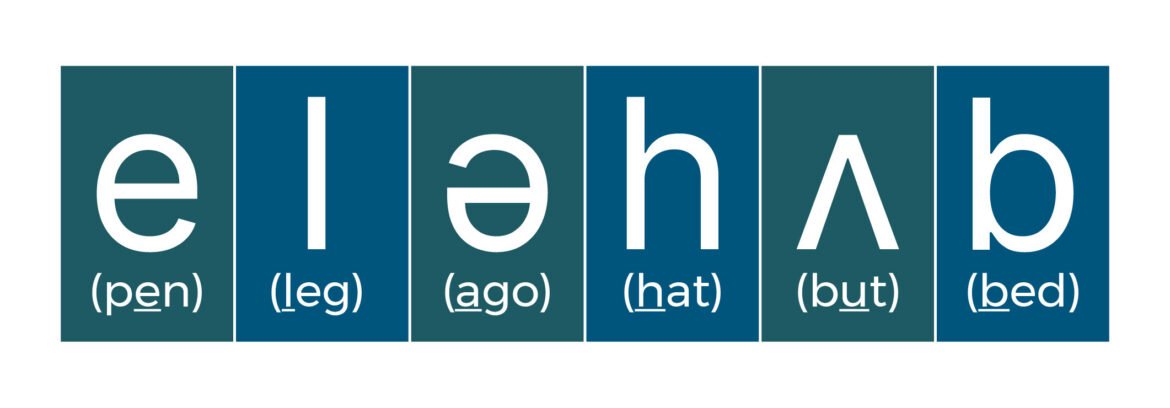
What’s in a name? How neurodiversity shaped eLaHub
The story behind the eLaHub name and how neurodivergence, accessibility and family experience have shaped our purpose and the…
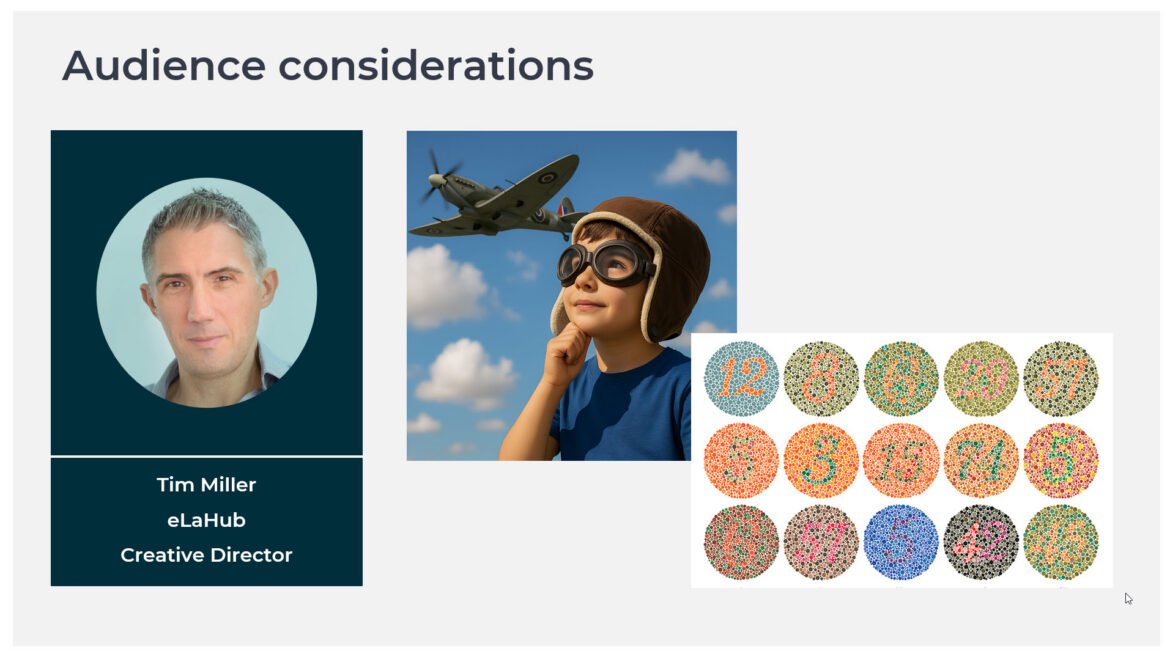
Accessible learning by default – because who are we to decide?
eLaHub’s Access Without Assumptions Case Study helps practitioners understand why accessibility by default and gives every learner a fair…
Accessible vs inclusive learning – so what’s the difference?
What is the difference between accessible and inclusive learning? We explore how accessibility provides the foundation and inclusive design…

Design accessible eLearning interactions for better learning
A screen reader tester’s memorable analogy shows how excessive interaction can create barriers and why meaningful learning should guide…

Accessible and inclusive digital learning award sets the benchmark
Discover how a new accessibility award category is raising expectations for inclusive learning, evidence, impact and excellence across the…
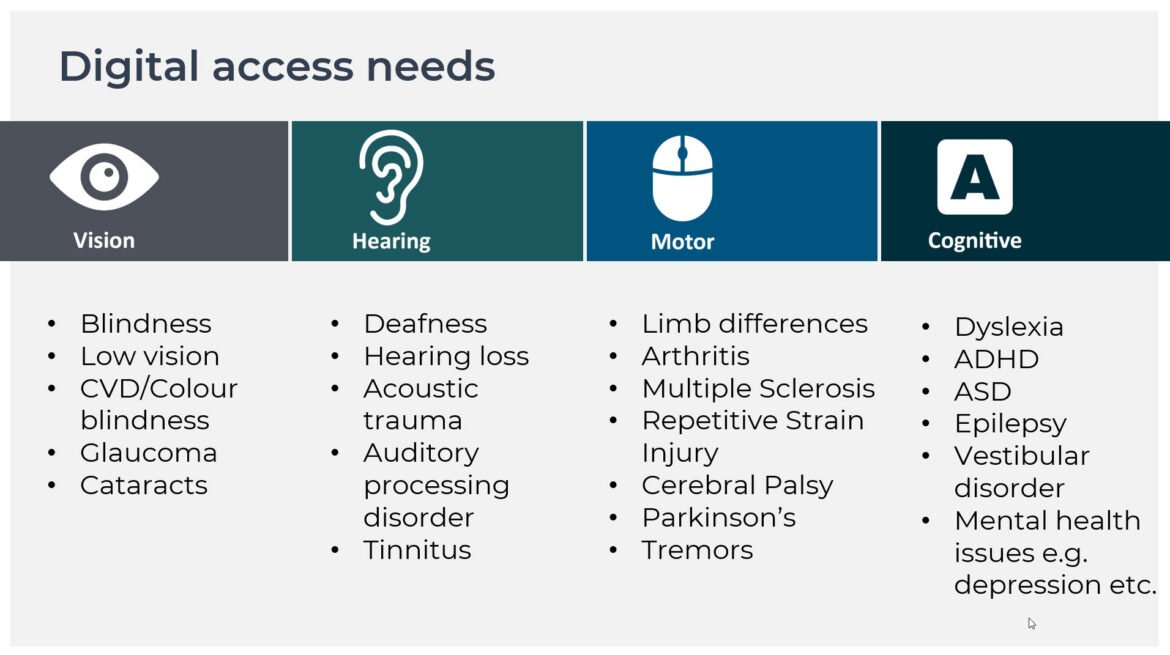
Digital access needs – challenging assumptions
Discover how eLaHub’s Access Needs Mapping activity helps practitioners connect accessibility with real people, challenge assumptions and recognise overlapping…
Explore our accessibility services
eLearning accessibility training
Industry-leading training designed and delivered by Susi Miller, shaped around your organisation, your content and your tools. Designed to help teams build capability and apply accessibility in the real world.
eLearning accessibility audits
A unique service for organisations that need to audit and improve existing learning content. We identify accessibility issues and provide clear, practical guidance to improve usability, effectiveness and learner experience.
Accessible learning consultancy
Expert consultancy to help organisations embed accessibility into learning strategy, design and quality standards. Practical, tailored guidance that builds confidence, reduces barriers and supports inclusive learning at scale.

Advocacy and speaking
Advocacy and speaking that raises awareness, challenges assumptions and promotes practical action on accessible learning. This includes not-for-profit activity alongside paid keynotes, events and professional speaking engagements.

Accessibility assessments
Structured accessibility assessments designed to help organisations understand how well their learning content meets recognised standards, identify barriers that may affect learners and prioritise practical next steps.